




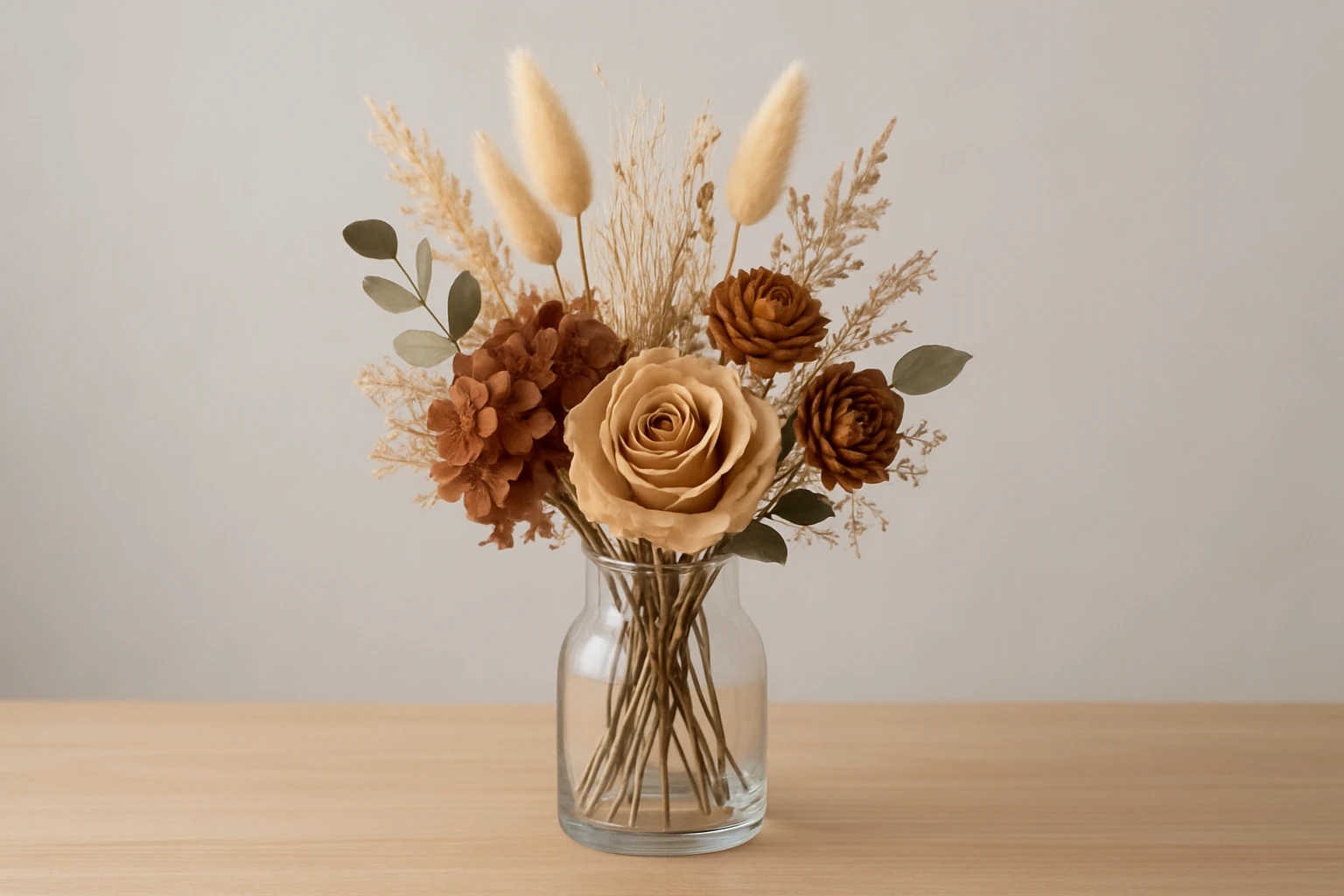
Best 12 Dried Hydrangea Flower Arrangements 2026
Unlock actionable ideas for Best 12 Dried Hydrangea Flower Arrangements 2026 including common pitfalls to avoid with The Flower Boutique by your side.

Half an hour before guests arrived at a Perth reception, I slid a preserved arrangement into a narrow ceramic vase and gave it the little shake test. One stem leaned left. Another sat too high. I tucked them back in, turned the piece away from the hot late-afternoon light, and only then stepped back. That moment tells you almost everything about preserved flower arrangements in vases: they last well when the stems are secure, the vase suits the build, and the setting is working with you instead of against you.
If you have ever picked flowers for a wedding, funeral, celebration, or gift, you already know the real question is not just “Do they look good?” It is “Will they still look good tomorrow?” In Perth, where a room can heat up fast and deliveries might cross from Joondalup to Fremantle in one run, that question matters even more.
To help you better understand dried flower arrangements in vases, we've included this informative video from Scribble. It provides valuable insights and visual demonstrations that complement the written content.
Because they solve two problems at once: they look styled, and they keep their shape after the event ends. That is a big deal when you are dressing a wedding welcome table, sending sympathy flowers to a family home, or choosing a gift that should feel thoughtful for longer than a weekend.
Preserved arrangements are often chosen because they offer lasting beauty and a polished finish, which lines up with what many of us see in practice. They also suit real life moments across bridal, events, and gifting settings.
Usually, they do not mean “stays frozen in time forever.” They mean the arrangement keeps its overall shape, texture, and presence. The vase still feels full. The stems still sit where they were designed to sit. The colours may soften a little, but the arrangement still reads as intentional rather than tired.
Preserved arrangements can maintain their beauty for years without watering. That is a helpful benchmark, but it is not a blank cheque. A preserved arrangement on a shaded console in Cottesloe will behave very differently from one left on a sunny café window ledge in 35-degree heat.
Long-lasting does not mean effort-free: placement and container choice still decide how well the arrangement holds up.
| Occasion | Why Preserved Works | What “Lasts” Usually Means |
|---|---|---|
| Wedding | Holds shape through setup, photos, and pack-down | You can take it home after the reception and keep displaying it |
| Funeral or memorial | Feels calm, respectful, and easy to keep | The family can place it at home without ongoing care |
| Celebration | Travels well and suits styled tables | Still looks polished after the candles are blown out |
| Gift | Low-maintenance and ready to display | The recipient enjoys it for months, not days |
Perth people are practical. If you are planning a Swan Valley wedding, a family gathering in Mount Lawley, or a service followed by a wake in Subiaco, you may not want one more thing to monitor. No water refills. No bent fresh stems in the car. No scrambling for a bucket during setup.
Preserved arrangements suit that mindset. They give you a styled look with less fuss. You still need to place them well and handle them gently, but you are not managing hydration minute by minute. For busy event planners and families already juggling timing, that is a real relief.
A bouquet is usually hand-tied. A bundle is a loose grouping of stems. A vase arrangement is a finished design built for a specific container. That sounds simple, but it changes everything.
When I design into a vase, I am thinking about neck width, base weight, stem angle, and how the arrangement reads from across the room. A narrow ceramic vessel gives you control. A wide glass vase might need a denser structure so stems do not flop open. In other words, the vase is part of the design, not an afterthought.
Every preserved flower arrangement is a unique, one-of-a-kind design featuring what is available. That is exactly right. Preserved work depends on the stems that have held their shape and colour well, what has been prepared cleanly, and what is in stock without damage.
The same florist also notes that different stems hold shape and colour in different ways. I have found the same over the years, and it teaches you quickly that preserved stems have personality. One batch of statice behaves beautifully. Another is brittle. One run of preserved ruscus is rich and full. Another is lighter and airier. So a good preserved arrangement should feel tailored, not copied.
A preserved vase arrangement should be treated as a styled design, not a copy-and-paste product.
Sturdy stems usually perform best. Think preserved eucalyptus, ruscus, bunny tails, strawflower, statice, grasses, and textured focal stems that can stand upright without looking strained. In Australia, even a native stem like banksia can bring wonderful structure if the scale suits the vase.
If you want the arrangement to last and still look intentional, pick materials that do not need propping up every second day. Pretty is not enough. Stable matters.
Fresh flowers are living cut material. Once they are out of the ground, the clock is ticking. Water helps for a while, but decay, bruising, and droop eventually catch up. Preserved flowers start from a different place. Much of the moisture has already been removed, so you are not battling the same cycle of rapid decline.
That is why preserved arrangements do not need a water source in the vase. No murky water. No daily top-ups. No stem ends going soft. You are preserving form rather than prolonging hydration.
Not all preserved flowers are identical. Some are prepared to help them stay supple and hold colour longer. Preserved arrangements can maintain their beauty for years without watering, which is the appeal right there.
Still, the phrase “for years” needs a little realism. Direct sun will fade many materials faster. Rough handling will snap finer stems. Dust buildup dulls the finish. So yes, preserved stems keep their shape and colour better than fresh flowers over time, but they still need sensible conditions.
If you need flowers to outlast the event itself, the biggest advantage is durability, not hydration.
This is where preserved flowers really shine. A table arrangement from a wedding can go straight onto a shelf at home. A memorial piece can sit beside a framed photograph and candle without needing daily attention. A birthday gift does not become a chore for the person receiving it.
I have seen families keep a small preserved vase from a service long after sympathy cards are packed away. That staying power changes the emotional value of the piece. It becomes part decor, part memory, and that is hard for fresh flowers to match.
Start with the vase. Really. This is where many people get caught out. A beautiful arrangement can fail fast in the wrong container because the stems spread, tilt, or sink over time.
The container changes both the look and the life of the piece. A snug neck helps hold the shape. A weighted base lowers the risk of tipping. A vessel that is too wide can make even strong stems look messy by day three.
The vase is not just a container; it is the support system that helps the arrangement stay upright and intact.
Perth light is gorgeous. It is also ruthless. If you want longevity, keep preserved arrangements out of harsh direct sun, away from heater blasts, and well clear of steam. That means no bathroom shelf, no sunny west-facing sill, and no spot directly under a vent.
Keep the vase dry too. Unless your florist gives you a very specific reason, do not add water. Preserved flowers are not thirsty fresh stems in disguise. Moisture can shorten their display life and damage delicate materials.
Transport is where a lot of avoidable damage happens. Preserved flowers dislike being crushed, bumped, or laid flat. Carry them upright. Support the base. Do not grab the arrangement by the flower heads. It sounds obvious, yet I have watched more than one beautiful piece get manhandled in a car park five minutes before setup.
Thoughtful packaging matters. You want protection without crushing the piece inside it.
| Risk | What It Does | Simple Fix |
|---|---|---|
| Wide, unstable vase | Stems spread and slump | Use a narrower neck or heavier base |
| Direct Perth sun | Colour fades faster | Place in bright, indirect light |
| Humidity or water | Materials soften or deteriorate | Keep the arrangement dry |
| Rough delivery or setup | Heads snap or shed | Transport upright and install by the vase base |
Most people want a straight answer, so here it is: often months, and in the right conditions, years. That is especially true for preserved arrangements kept indoors, dry, and out of direct sun.
Preserved flowers are long lasting. The shorter version is this: lifespan depends less on the calendar and more on how you place and handle the arrangement.
Yes — and you should. Ask for a mood, palette, scale, and vase style that suit the occasion. If it is a wedding, mention the linen colour, table size, and whether guests will sit around it. If it is sympathy work, mention the tone you want: soft, restrained, warm, or native-inspired.
Customers can leave special requests on the order page and the florist will do its best to oblige. That is the right framing. Ask clearly, but do not demand an exact replica of a photo taken with different stems in a different season.
If someone promises an exact replica, push back: preserved arrangements are best when the design works with the stems that are actually available.
Absolutely. Preserved flowers are used for bridal, events, and gifting, while funeral and sympathy designs are also a natural fit. That range tells you buyers use these pieces for far more than shelf decor.
For gifts, they are easy to receive and easy to keep. For events, they are practical because you are not worrying about hydration during setup. For memorials, they offer a calm, lasting presence. That is why preserved vase arrangements keep showing up in such different settings — they fit more than one job.
Ask a few practical questions before you talk colour.
Best practice: choose the venue fit first, then the flower style, so the arrangement lasts visually as well as physically.
For weddings and larger events, book as soon as your date, venue, and rough style are locked in. Preserved work still needs planning, especially if you want multiple pieces to feel cohesive. For funerals, call early as soon as you know the service timing. For gifts and smaller celebrations, you can often move faster, but earlier is always calmer.
The timeline changes with the purpose. A wedding centrepiece plan is not the same as a same-week sympathy order. Treat them differently.
Send a photo of the room. Include measurements. Mention the mood. Tell the florist whether you want airy and sculptural, soft and neutral, or bold and textural. If the arrangement needs to survive a car trip back to Scarborough after the reception, say that too.
A good Perth florist can do much more with “60-centimetre vase, warm neutrals, shaded foyer, needs to last at home after the service” than with “something pretty.” If you are speaking with The Flower Boutique or any other local studio, that kind of brief helps them design for the real conditions, not just the inspiration image.
Preserved flower arrangements in vases last when dry stems, a supportive vessel, and smart placement all pull in the same direction.
Match the vase to the build, keep the arrangement away from Perth’s harsh sun, and brief your florist for the room rather than a Pinterest clone. Do that, and the piece can stay beautiful long after the last guest leaves.
So when you choose preserved flower arrangements in vases, are you after a keepsake you can live with for months — or a statement piece that carries one important day a little further?
Personalised Flower Boxes give Perth clients curated blooms for weddings, funerals, celebrations, and heartfelt gifting, backed by bespoke fresh or preserved designs and convenient delivery.
Explore Arrangements0 comments

